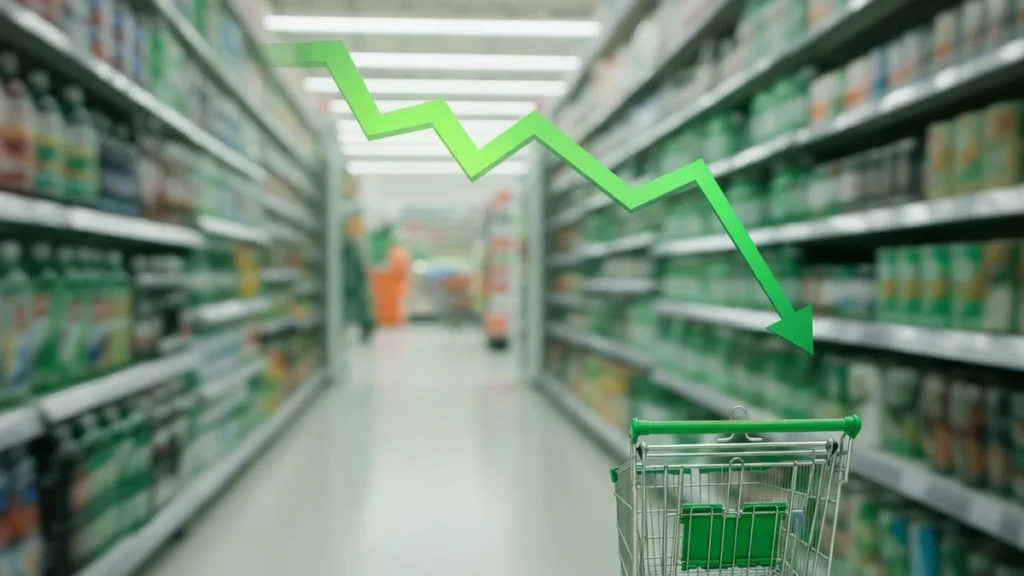
After months of unwelcome surprises, US inflation finally broke in the right direction. Consumer prices fell 0.4% in June, the sharpest monthly drop since the early days of the pandemic in 2020, and the annual rate eased to 3.5% from 4.2% in May, according to the Consumer Price Index report released on 14 July.
The relief was real, but it came with an asterisk. Almost all of the improvement in US inflation traces back to one thing – energy prices coming off the boil after a brutal summer spike – which is exactly why the Federal Reserve is unlikely to celebrate by cutting interest rates. Here is what the numbers actually say, and what they mean for the months ahead.
The Numbers: A Bigger Drop Than Expected
The June reading beat forecasts across the board. Economists surveyed by Dow Jones had expected prices to fall 0.2% on the month and the annual rate to land at 3.8%. Instead prices fell twice as fast, and the yearly figure came in lower still at 3.5%. The 0.4% monthly decline was the largest since a 0.8% drop in April 2020, when the pandemic froze the economy. A negative monthly print is unusual in any normal year, and it snapped a run of hot readings that had unsettled markets since the spring.
For households that have spent two years watching prices climb, a falling headline number is a genuine turning point, even if the level of prices remains far higher than before the surge began.
It is worth being precise about what a lower inflation rate means. Even at 3.5%, prices are still rising year on year, just more slowly, and a single negative monthly reading does not undo the cumulative increase of the past two years. What changed in June is the direction and the pace, which is what markets and policymakers react to, rather than the absolute price level, which stays elevated.
Energy Did the Heavy Lifting
The engine of the decline was energy. Costs in that category were still up 15.7% over the year in June, but that was a marked cooling from 23.5% in May, and the change was enough to drag the whole index lower. The relief followed a ceasefire that began to ease the oil supply crisis triggered by the Iran war – the same disruption behind the sharp swings in global oil demand that we covered this week. As crude and fuel prices retreated from their peak, the effect flowed straight through to the pump and the utility bill.
That is both good news and a caution. Energy is the most volatile part of the basket, so a drop driven by it can reverse just as fast if the ceasefire falters and oil spikes again. In other words, the June number is encouraging, but it is not the same as inflation being beaten.
Food and shelter, the stickier parts of the basket, told a calmer story than the swinging energy line. Grocery inflation continued its slow descent, and housing costs – the single biggest component of the index – kept easing at the gradual pace they have held for months. It is that combination, volatile energy falling fast while core categories cool slowly, that produced the eye-catching headline.
Core Inflation Tells the Underlying Story
To see the trend beneath the noise, economists strip out food and energy to get core inflation – and here the picture was steadier rather than dramatic. Core prices were flat on the month, leaving the annual core rate at 2.6%, down from 2.9% in May and below the 2.9% that forecasters had penciled in. That matters because the Fed pays far more attention to core than to the headline, precisely because it is not thrown around by oil shocks.
A core rate drifting toward the central bank’s 2% goal is the more reassuring signal in this report. It suggests the underlying disinflation that stalled earlier in the year is quietly resuming, even as the headline number does the eye-catching moving.
Why the Fed Still Will Not Rush to Cut
Here is the twist that surprises many readers: a cooler inflation report has not translated into expectations of lower rates. Because the improvement was so concentrated in energy, and because core inflation is still above target, policymakers are widely expected to hold rather than cut. Following the release, CME Group’s FedWatch tool showed an 86% probability that the Fed would keep its benchmark rate steady, currently set in a range of 3.5% to 3.75%. Remarkably, a meaningful share of the market is even positioned for a rate increase in September rather than a cut.
The logic is that the Fed wants to see broad, durable cooling – not a one-month drop it can attribute to a single volatile component that might snap back. Central bankers have been burned before by declaring victory too early, and they are signalling patience over relief.
The market’s willingness to entertain a rate rise, rather than a cut, underscores how unusual the moment is. Ordinarily a below-forecast inflation print would fuel bets on cheaper money. That it has not tells you the Fed has convinced investors it will not be swayed by one soft number, and that some officials still see upside risks if energy rebounds or the labour market stays tight. The next jobs report and the following inflation reading will matter more than this one.
Banks Report Alongside, Signalling Resilience
The inflation data did not arrive in isolation. It landed the same day that some of the country’s largest banks, including JPMorgan Chase and Bank of America, opened the quarterly earnings season. Their results pointed to an economy that is still holding up – consumers spending, credit largely performing – which reinforces the Fed’s comfort in staying put. A resilient economy with easing inflation is, from a policymaker’s chair, a reason to wait rather than to act.
For investors, the combination of softer prices and solid bank earnings was enough to steady sentiment, even without the rate cut that some had hoped a low inflation print might unlock.
What It Means for Households and Borrowers
The practical takeaway is mixed. Lower headline inflation should slow the rate at which everyday costs rise, and falling fuel prices are an immediate, visible saving. But with the Fed holding, the borrowing costs that shape mortgages, car loans and credit cards are not coming down yet, so anyone waiting for cheaper credit will have to wait longer. The squeeze is easing, but slowly, and unevenly.
Different households will feel it differently, too. Drivers and anyone with high energy use get the most immediate relief, while renters and borrowers, squeezed by shelter costs and still-high rates, see far less. That unevenness is part of why national inflation figures can feel disconnected from lived experience, and why a single headline number never captures the whole picture.
The bigger question is durability. If the energy relief holds and core inflation keeps drifting lower, the path toward eventual rate cuts becomes clearer later in the year. If oil spikes again, June could look like a brief respite rather than a turning point. For now, the report is the best inflation news in months – just not yet the all-clear.