Middle-earth is officially back in production. Warner Bros. has released the first footage of Andy Serkis reprising his most famous role, as cameras begin rolling in New Zealand on The Lord of the Rings: The Hunt for Gollum – the first new Lord of the Rings feature film in more than a decade.
The brief behind-the-scenes clip, put out to mark the start of shooting, offers an early glimpse of Serkis in his motion-capture suit on set, and of a familiar face directing the action. The Hunt for Gollum reunites him with the creative minds behind the original trilogy, and its arrival signals that one of cinema’s biggest fantasy franchises is being revived with its founding talent firmly in charge.
For the millions who grew up on Peter Jackson’s Middle-earth, the footage is a jolt of anticipation – proof that a project long discussed is now, finally, real and rolling.
First Footage of Gollum
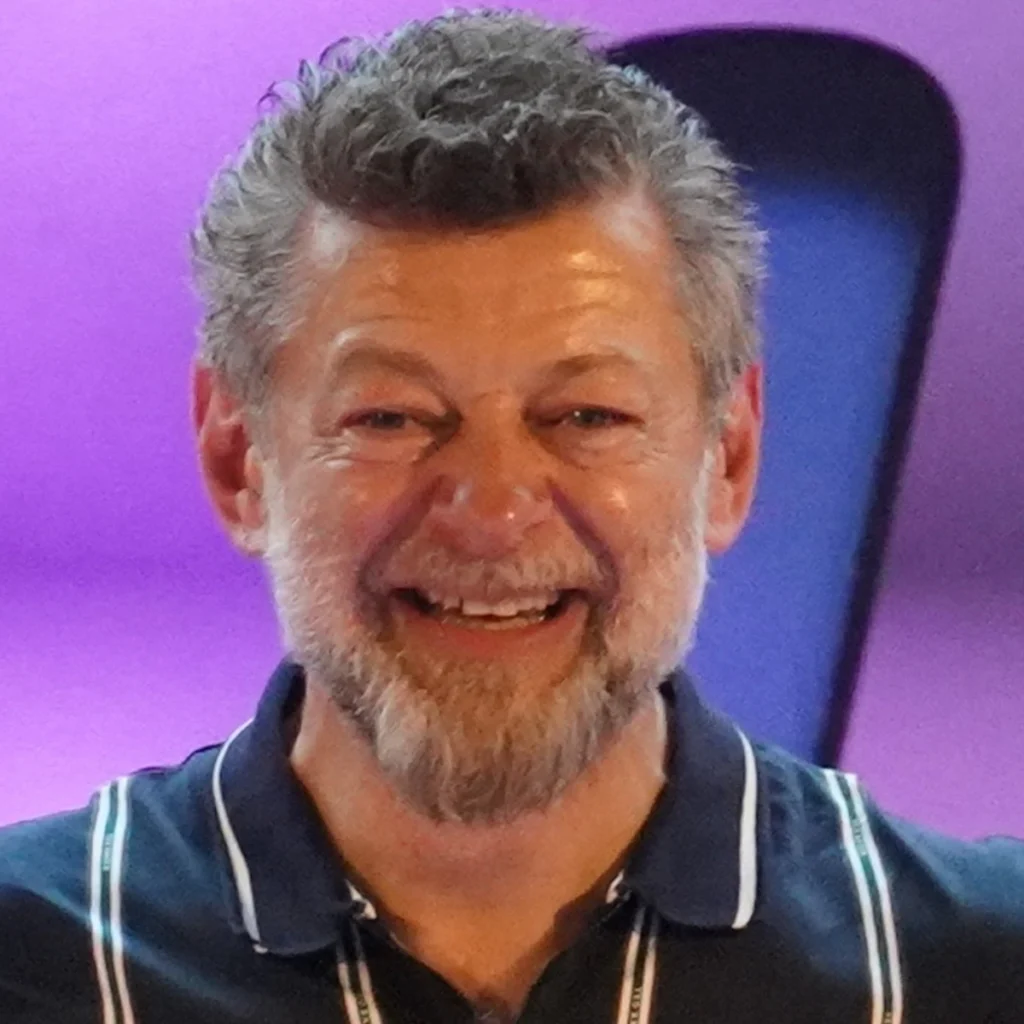
The announcement came in the form of a short promotional video rather than a full trailer, but for fans the content was unmistakable. It shows Serkis back in the grey motion-capture gear that lets him become the CGI creature Gollum, on the film’s set – and, tellingly, calling the shots as director, at one point heard shouting the word every filmmaker lives for: action.
It is a modest tease by the standards of blockbuster marketing, but a potent one. Gollum is among the most celebrated digital characters in film history, and the sight of the actor who created him slipping back into the role – years after audiences last saw him do it – is exactly the kind of image designed to reignite a fan base that has been waiting a long time for a return to this world.
Gollum’s pull is easy to understand. Corrupted by the Ring into a hunched, whispering shadow of a hobbit, forever torn between his two selves, he became the emotional and technical centrepiece of the original films – a performance that helped prove digital characters could carry real dramatic weight. Building an entire film around him, told partly from his fractured perspective, is a bold creative gamble that only makes sense with the actor who defined him at the helm.
Serkis in Two Chairs
The most striking detail is how much Serkis is taking on. He is not only reprising Gollum but directing the entire film, an unusual double role that puts one of the franchise’s defining performers in creative command of its next chapter.
It is a natural, if demanding, evolution. Serkis has built a substantial directing career alongside his acting, and no one alive understands Gollum better than the man who invented the performance. Trusting him with both the character and the camera is a statement of confidence – and a bet that the film’s soul is safest in the hands of someone who helped shape Middle-earth’s on-screen identity in the first place.
The Team Behind It
Serkis is not going it alone. The Hunt for Gollum reunites him with Peter Jackson, Fran Walsh and Philippa Boyens – the core creative team responsible for both the original Lord of the Rings trilogy and the later Hobbit films. Their involvement is the strongest possible signal of continuity, reassuring fans that this is not a reboot by strangers but an extension by the very people who built the cinematic version of Tolkien’s world.
That continuity matters enormously for a franchise whose fans are famously protective. The original trilogy is regarded as a landmark of modern filmmaking, and any new entry inevitably invites comparison. Bringing back the writers and producers who defined its tone, pacing and visual language is the surest way to earn the benefit of the doubt before a single frame is seen.
The title itself points to where the story sits. In Tolkien’s telling, the hunt for Gollum unfolds in the shadowy years before the main quest begins, as Gandalf and others try to track down the creature and the secret he carries about the Ring. That gap in the familiar narrative gives the filmmakers room to tell a new story within a beloved framework – fresh events, but ones that slot into a timeline audiences already know and love.
Who’s in the Cast
The casting blends nostalgia with fresh blood. Returning to their iconic roles are Ian McKellen as the wizard Gandalf and Elijah Wood as the hobbit Frodo, two performances woven into the fabric of the original films, with Lee Pace also back as the elf-king Thranduil.
Around them, the film adds serious new star power. Kate Winslet joins the franchise, Jamie Dornan takes on the role of Strider – a name that will resonate with anyone who knows the saga – and Anya Taylor-Joy signs on as an elf. It is a cast that pairs beloved familiar faces with a generation of actors who can carry the story to new audiences, exactly the balance a legacy revival needs to strike.
The choice of Jamie Dornan as Strider is especially loaded. Strider is the ranger’s name for Aragorn, one of the saga’s most beloved heroes, and casting a new actor in that guise signals a story reaching back to an earlier point in the character’s life. Pairing that with names like Kate Winslet and Anya Taylor-Joy gives the production the kind of awards-calibre gravitas that suggests the studio is treating this as a prestige event, not a disposable spin-off.
Why Return to Middle-earth Now
The timing is no accident. Warner Bros. – itself in the middle of a high-stakes corporate battle over its future – holds one of the most valuable properties in entertainment in the Lord of the Rings, and reviving it with the original creative team is a way of turning a treasured library title into a new tentpole. In an era when studios lean heavily on established franchises, few carry the prestige and built-in audience of Middle-earth.
There is genuine risk, of course. Nostalgia can curdle if the execution disappoints, and returning to a beloved world always means measuring up to memory. But the combination of the original creative team, a lead who is synonymous with the material, and a story centred on one of the saga’s most fascinating characters gives the project a credibility that many legacy revivals lack.
The Long Road to 2027
With filming only just under way, the wait remains substantial. The Hunt for Gollum is scheduled to open in cinemas on December 17, 2027 – a release date that gives the production and its extensive visual-effects work more than a year and a half to come together. A December berth also signals the studio’s ambitions, positioning the film squarely in the prestige holiday season that the original trilogy owned.
Between now and then, expect the drip-feed of a major franchise campaign: set photos, teasers and casting confirmations parcelled out to sustain the excitement this first footage has kindled. For now, though, the headline is simple and, for fans, thrilling. After years of speculation, Andy Serkis is back as Gollum, the cameras are rolling in New Zealand, and the road back to Middle-earth has officially begun.