
With Brazil’s general election just months away, President Luiz Inacio Lula da Silva’s government has opened the spending taps. A wave of new measures – fuel subsidies, cheaper credit and debt relief – has rolled out across the country, and it comes with a nickname in Brasilia: the ‘pacote de bondades’, or package of goodies.
The scale is substantial. Mainstream reporting puts the election-year spending package at least R$143.7 billion across 11 measures, while the Brasilia magazine Revista Oeste, which has tracked the outlays closely, and some independent economists estimate the broader total higher – around 1.6% of Brazil’s GDP. Either way, it is a significant injection of money into the economy in the run-up to October’s vote.
The measures themselves are popular by design. But their timing, their scale and where they sit in Brazil’s budget rules have made them one of the central economic controversies of the election year.
The ‘Package of Goodies’
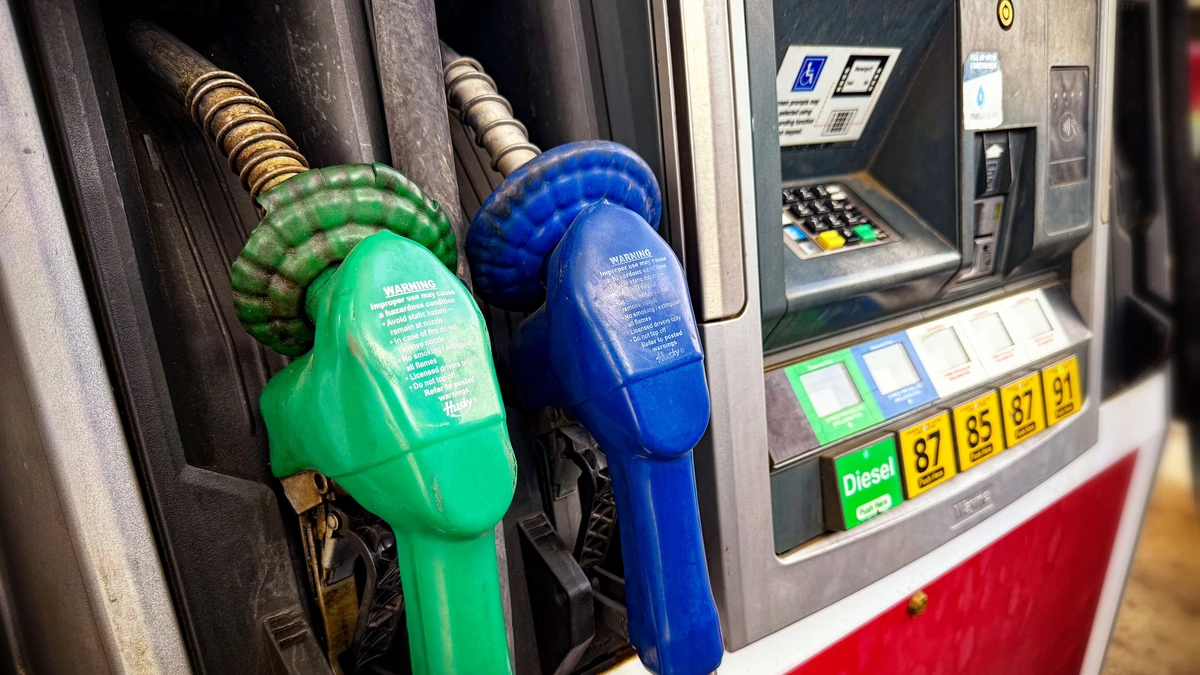
The package is built from measures that land directly in voters’ pockets. It bundles together fuel subsidies to ease prices at the pump, cheaper credit lines, and debt-relief programs for households and small borrowers – the kind of tangible, everyday help that resonates with a broad electorate.
For a government seeking re-election, the appeal is obvious. Lula is running for a fourth, non-consecutive term, again paired with Vice-President Geraldo Alckmin, and measures that lower costs and ease debt burdens speak directly to the cost-of-living pressures that weigh on Brazilian families. Supporters frame the package as social policy – support for ordinary people – rather than a giveaway.
Some of the individual measures are genuinely aimed at real hardship. Debt-relief programs, for instance, target the millions of Brazilians whose names are entered on default registries and who struggle to access credit as a result, while fuel subsidies push back against price spikes that hit poorer households hardest. It is exactly that mix – real need met with well-timed generosity – that makes such packages both politically effective and hard to assess purely on the numbers.
Mostly Outside the Fiscal Cap
The sharpest criticism concerns not the measures themselves but where they sit in Brazil’s budget framework. Economist Marcos Mendes of the Insper institute, cited by Revista Oeste, found that only about R$9 billion of the package fits within the country’s fiscal cap – roughly 4% of the total – with the rest structured to fall outside it.
That matters because the fiscal cap, known as the arcabouco fiscal, was the Lula government’s own signature 2023 rule, designed to reassure markets by limiting the real growth of federal spending. When most of a large new package is arranged to sit outside that rule, critics argue, the rule’s credibility is undermined. The Senate’s independent fiscal body has estimated that spending kept outside the targets between 2023 and 2026 will approach R$400 billion – a figure that gives the debate its weight.
The techniques for keeping spending off the books are well known in Brazilian budgeting: routing outlays through state banks, public funds or extraordinary credits that do not count against the headline target. None of it is necessarily illegal, and previous governments used similar tools. But the volume this time, combined with the fact that the cap was Lula’s own creation, is what has made the practice a lightning rod – a rule bent, opponents say, by the very administration that wrote it.
Freezing and Spending at Once
Adding to the tension is a striking paradox: even as it rolls out the new measures, the government has been freezing money elsewhere. In May, Lula signed a decree freezing R$23.7 billion in discretionary federal spending, part of a running total of about R$47.4 billion in freezes for 2026, all required to comply with the fiscal cap.
The freezes deliberately leave untouched constitutionally mandated spending – health, education, public salaries and social transfers – which is part of the government’s defense: much of what it spends, it argues, is legally required or socially essential, not discretionary largesse. Critics counter that freezing ordinary spending while expanding election-year measures outside the cap is precisely the kind of manoeuvre the fiscal framework was meant to prevent.
A Record Debt Load
All of this is happening against a backdrop of rising debt. Net public debt reached about 67.4% of GDP in April, a record in the data series that began in 2001. A higher debt load raises the cost of borrowing and narrows the room a government has to respond to future shocks, which is why the trajectory worries economists across the political spectrum.
Defenders of the government point out that debt has risen in many countries since the pandemic and that targeted spending can support growth, which in turn helps the debt ratio. Skeptics respond that Brazil’s borrowing costs are already high and that adding election-year spending on top of a record debt is a risky bet. Both sides are, in effect, arguing about the same numbers from opposite ends.
Financial markets tend to render their own verdict in real time. Investors watch Brazil’s fiscal signals closely, and doubts about spending discipline can show up quickly in the currency, in interest rates and in the premium the government pays to borrow – costs that ultimately land back on the public. That feedback loop is part of why fiscal credibility is treated as more than an abstract debate in Brasilia: it has concrete consequences for growth and for the price of everything from mortgages to imported goods.
The Election Backdrop
None of this can be separated from politics. Brazil’s general election begins in October, and the spending is unfolding exactly as the campaign takes shape. Lula’s approval has been under pressure – one widely cited figure put support for his government at around 28% – and an economy that voters feel in their daily lives is central to his prospects.
That context is why the package draws such scrutiny. Election-year spending is hardly unique to Brazil or to Lula; governments of every stripe tend to loosen the purse strings before a vote. But the combination here – a large package, mostly outside the government’s own fiscal rule, atop a record debt, in a tight political moment – is what has turned it into a defining argument of the campaign. Similar debates over spending and credibility are playing out across Latin America, from Brazil to the narrow election that just installed a new government in Peru.
The Debate Ahead
How voters weigh the package may come down to which story they believe. To the government and its supporters, it is responsible social investment in a hard economic moment, much of it legally mandated, delivering real relief to families. To its critics – Revista Oeste prominent among them – it is fiscally reckless spending, timed to the ballot and routed around the rules, that Brazil cannot afford.
The truth for most Brazilians will be tested in their own household budgets and, eventually, at the polls. What is not in dispute is the arithmetic: a large sum of public money is moving into the economy at a politically charged moment, most of it outside the fiscal cap, while the national debt sits at a record. Whether that proves to be prudent support or a costly gamble is the question hanging over Brazil’s election year.