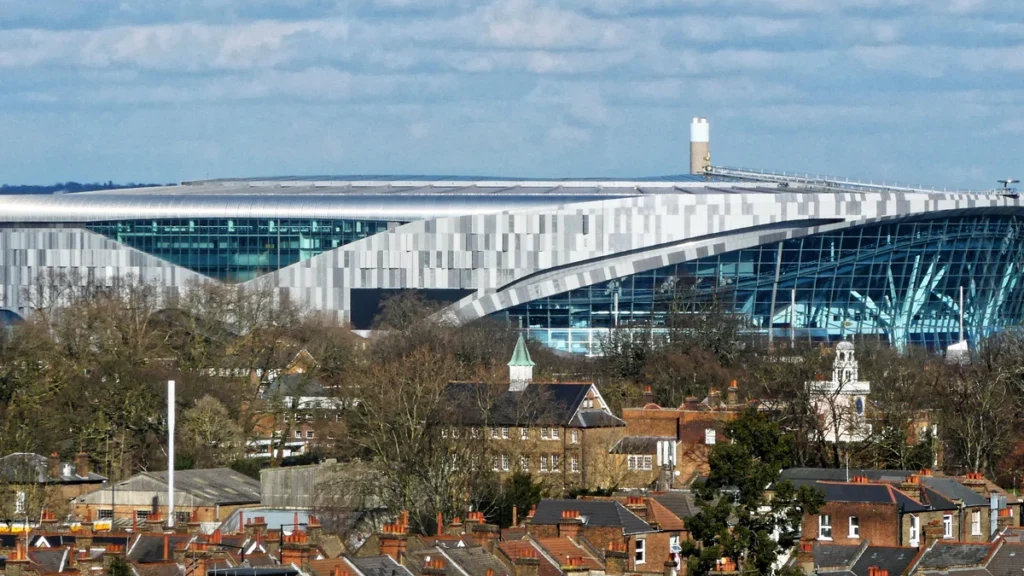
Tottenham Hotspur Stadium in north London. Spurs are the biggest spenders of the 2026 summer window.
Tottenham Hotspur Stadium in north London. Spurs are the biggest spenders of the 2026 summer window.
The Premier League transfer window has produced plenty of expensive summers. It has rarely produced one that broke the British transfer record twice before August.
With just over a month until Deadline Day, two clubs have matched the highest fee ever paid by a British side, a third has assembled a squad rebuild worth more than £237 million, and the league is once again on course to account for a majority of Europe’s transfer spending. The 2026-27 season has not kicked off yet.
Two British Records Broken in the Same Summer
The headline deals arrived within weeks of each other, and they landed at almost identical numbers.
Chelsea signed Morgan Rogers from Aston Villa for a reported £117 million. Manchester City paid Nottingham Forest a reported £116 million for Elliot Anderson. As ESPN records them, the two sit jointly at the top of the British transfer list, separated by a single million pounds.
What makes the pair notable is not only the size but the direction. Both fees went to English clubs rather than overseas: Villa and Forest, two sides outside the traditional top six, banked the largest transfer receipts in British football history within the same window.
That is a meaningful shift. For most of the modern era, record-breaking English fees flowed out of the country. This summer the biggest cheques were written between Premier League clubs.
It also changes the negotiating position of mid-table sides. A club that can credibly refuse £100 million for its best player, knowing a domestic rival will return with more, is in a different market to one hoping for a bid from abroad. Villa and Forest both held assets the top of the league decided it needed.
Tottenham’s £237 Million Rebuild
The largest single outlay belongs to Tottenham Hotspur, who have committed roughly £237 million across three signings.
- Sandro Tonali: from Newcastle United, a reported £100 million
- Mateus Fernandes: from West Ham United, a reported £85 million
- Jan Paul van Hecke: from Brighton, a reported £52 million
Chelsea sit close behind on roughly £226 million, with the Rogers fee accounting for more than half of it. Manchester City’s £116 million on Anderson is, so far, a single concentrated bet rather than a rebuild.
Spurs have also sold. Luka Vuskovic moved to Brighton for a reported £50 million, partially offsetting the van Hecke fee travelling the other way. It is the kind of paired transaction that has become standard practice as clubs manage profit and sustainability calculations alongside squad building.
The Money Leaving the League as Well as Entering It
Focusing only on incoming fees misses half of what this Premier League transfer window has done. Some significant names have moved the other way.
Anthony Gordon joined Barcelona for a reported £60.5 million and Marc Cucurella moved to Real Madrid for a reported £51.8 million, sending more than £110 million back into English clubs from Spain’s two biggest sides. Mohamed Salah left Liverpool on a free transfer after his release.
Andrey Santos moved between Premier League clubs, going from Chelsea to Manchester United for a reported £48 million.
The pattern across those deals is a league confident enough to sell to Real Madrid and Barcelona rather than only buy from them, while recycling large sums internally. Outgoing business of that size also softens the net figure, which is the number regulators and profit and sustainability calculations actually care about.
What the Deloitte Record Says About the Baseline
To read this summer properly, it helps to know what the recent normal has become. Deloitte’s analysis of the previous summer window put Premier League gross spending at £3.0 billion, an all-time record and roughly £650 million above the previous high of £2.4 billion set in 2023.
Net spend told the same story. Deloitte recorded £1.2 billion, the highest ever, beating the £1.1 billion set in 2022 and representing a 114 per cent increase on the £570 million of 2024.
The comparative figures are starker still. Deloitte found the Premier League accounted for 51 per cent of total gross spending across Europe’s big five leagues, with a net spend of €1.4 billion while the rest of the big five collectively averaged a net receipt of €90 million. English clubs were buying; almost everyone else was selling.
Tim Bridge, lead partner at the Deloitte Sports Business Group, framed it as a structural signal rather than a one-off, describing “a third record-breaking summer of Premier League spending in four years”.
The effect reached below the top division too. Deloitte put Championship gross spending at £240 million, up from £145 million the previous year, while receipts for relegated clubs rose 123 per cent to £225 million. When Premier League clubs trade heavily with each other, money reaches the second tier through the clubs coming down.
Against that baseline, the current window is not an aberration. It is the pattern continuing, with the added feature of the British record being matched twice.
The Dates That Shape the Rest of the Window
The calendar has shifted this year, and the changes matter for how the closing weeks play out. According to ESPN:
- The window opened on Monday 15 June.
- Deadline Day is Tuesday 1 September, closing at 11pm BST, with a two-hour grace period for clubs that submit paperwork on time.
- The Premier League season starts on 21 August, a week later than last season to allow recovery time after the World Cup, and finishes on 30 May 2027.
- The EFL season begins earlier, on 14 August, with the first round of the Carabao Cup on 7 August.
The move of the deadline from 7pm to 11pm is the detail most likely to affect business. Four extra hours, plus the grace period, gives clubs a longer runway to complete late deals, and historically the final hours are when selling clubs have the least leverage.
It also means roughly ten days of the new season will be played with the window still open, so early results will influence late spending. A bad opening fortnight has historically been one of the more reliable triggers for an unplanned late signing.
What to Watch Before Deadline Day
Three things are worth tracking over the next five weeks.
The first is whether the internal market keeps running hot. Villa, Forest, Newcastle, West Ham and Brighton have all banked large fees from other Premier League clubs, and selling clubs with money tend to become buying clubs before the window shuts.
The second is whether anyone goes past £117 million. Two clubs have now reached that level in one summer, which tends to reset what the next negotiation treats as reasonable.
The third is the gap between the biggest spenders and everyone else. Tottenham and Chelsea have together committed more than £460 million. Whether the rest of the league follows or holds position will determine if this window beats the £3.0 billion benchmark or simply gets close.
The full picture is tracked on the Premier League’s official transfers page, which updates as deals are confirmed. MW3.News covered another headline summer sporting event in its report on this year’s Wimbledon champions.
For now the 2026 Premier League transfer window has already delivered its defining statistic: two clubs, one summer, and the British record broken twice over.