Skip to content
  • Facebook
  • Instagram
MW3.News

MW3.News

Web News Portal

Connect with Us

  • Facebook
  • Instagram

Categories

Tags

afghan afghanistan afghans biden bolsonaro Boris Johnson brazil Business Celebrities china chinese coronavirus covid covid 19 covid19 covid passport Economy england Europe Fame football freedom green pass Health kabul lockdown Music mw3 news news no green pass no vaccine passports pfizer politics russia Science singer sports taliban travel trump UK USA vaccine vaccine passport war
  • Home
  • About Us
  • Contact
  • Home
  • Business
  • Global Oil Demand Set to Fall in 2026 for the First Time Since Covid
  • Article
  • Business
  • Featured
  • News

Global Oil Demand Set to Fall in 2026 for the First Time Since Covid

Will Lisil 14/07/2026
Global Oil Demand Set to Fall in 2026 for the First Time Since Covid

For the first time in six years, the world is on track to burn less oil than it did the year before. In its July market report, the International Energy Agency said global oil demand is set to fall by around 1 million barrels a day in 2026 – the first annual decline since the depths of the Covid-19 pandemic in 2020.

But the headline hides a twist. The last time global oil demand shrank, it was because the economy had seized up and nobody was travelling. This time, the fall is being driven from the other side of the market: a violent supply shock that made oil scarce and expensive, forcing consumption down rather than demand simply drying up. That distinction matters for everyone from drivers to central bankers.

The First Annual Drop Since the Pandemic

An annual fall in oil demand is rare. Consumption has climbed almost every year for decades, interrupted only by deep crises – the 2008 financial crash and the 2020 pandemic. So a projected drop of roughly a million barrels a day is a genuinely unusual event, and it signals just how severely the year’s geopolitics have reshaped energy markets.

Enjoying this article? Get more like it.

Get our latest articles delivered to your inbox.

Crucially, the IEA frames 2026 as a supply-led contraction. In 2020, demand collapsed because planes were grounded and factories were shut. In 2026, the appetite for oil is broadly intact; what changed is that a big chunk of the world’s supply was suddenly knocked offline, prices spiked, and higher prices did what they always do – they destroyed some demand at the margin. Same direction, opposite engine.

That difference is not academic. A demand-led decline tends to be self-correcting and gentle on consumers, because falling prices cushion the blow. A supply-led decline is the opposite: it arrives with higher prices, it hits importers hardest, and it can reverse just as abruptly as it began if the underlying disruption eases. Reading the 2026 numbers as a sign of a weakening world economy would be a mistake – the story is about barrels that could not reach the market, not customers who stopped wanting them.

How the Iran War Broke the Oil Market

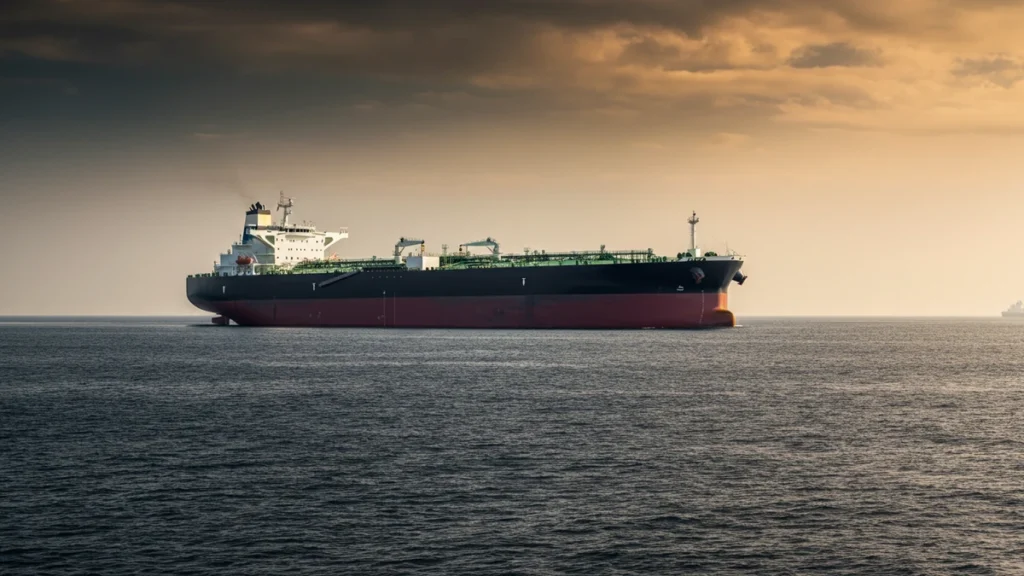
The trigger was the conflict involving Iran, which wreaked havoc on Middle East production and exports. The most consequential blow was the disruption of the Strait of Hormuz, the narrow waterway at the mouth of the Persian Gulf through which a large share of the world’s seaborne crude and gas must pass. When that chokepoint is threatened, it is not one country’s exports at risk but several at once.

The numbers are stark. At the height of the crisis, the disruption stripped more than 14 million barrels a day from global crude flows – a staggering share of world supply – in what the IEA described as the worst oil supply crisis on record, as Euronews reported. For a market that runs on thin spare capacity, losing that much supply in a matter of weeks sent shockwaves through prices and forced buyers to scramble for alternatives.

A Sharp Contraction, Then a Fragile Recovery

The damage is heavily concentrated in the middle of the year. The IEA expects a 4.8 million barrel-a-day collapse in the second quarter to ease to a 1.7 million barrel-a-day decline in the third, before demand returns to growth of about 1.2 million barrels a day in the final three months of 2026, as Quartz reported. In other words, the agency sees this as a violent but temporary shock rather than a structural shift.

History offers a warning about how quickly these forecasts can move. Oil markets have been repeatedly surprised over the past two decades, and an agency that revises its numbers monthly is effectively saying the situation is still unfolding. The scale of the mid-year hit means even a partial recovery leaves 2026 in the red, and a slower reopening would push the return to growth into 2027.

That optimism comes with a large asterisk. The recovery path rests on the assumption of a ceasefire and the gradual reopening of Hormuz – neither of which is guaranteed. If the strait stays contested into the winter, the shortfall could deepen and last longer, and the agency’s projected return to growth would slip. Energy forecasts are always conditional, but rarely this conditional.

What It Means for Prices and Drivers

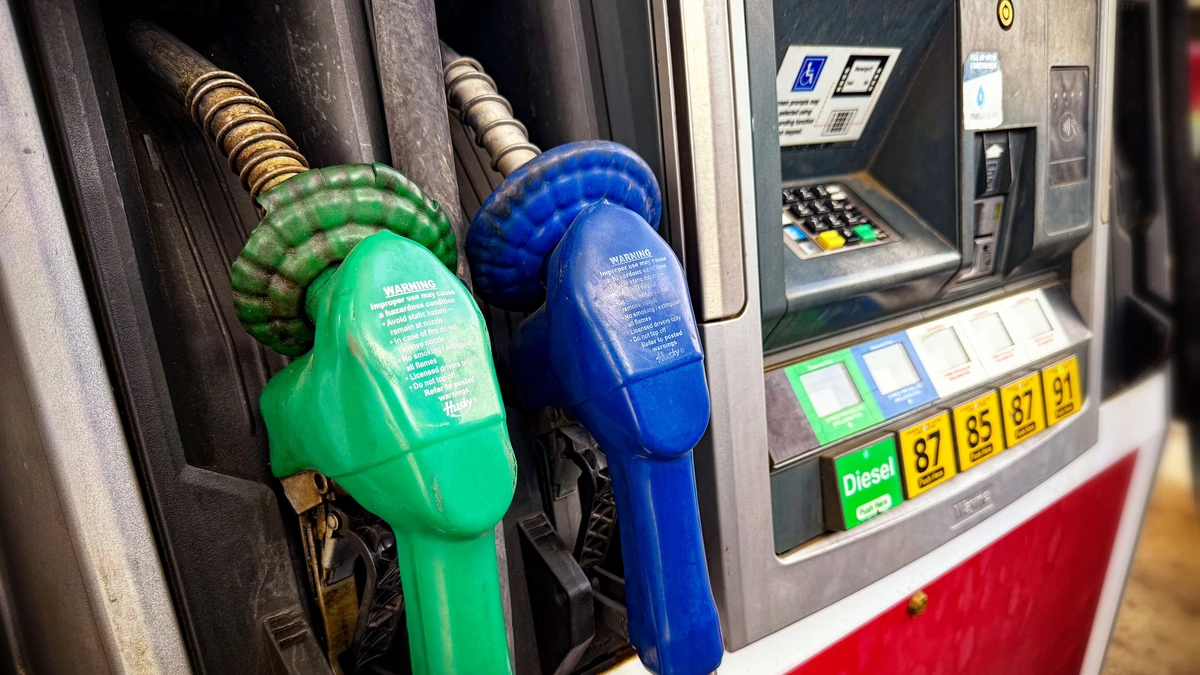
The supply-driven nature of the decline is exactly why it feels different at the pump. When demand falls because the economy is weak, prices usually fall too. When demand falls because supply has been choked and prices have surged, households and businesses feel the squeeze even as global consumption drops. Higher energy costs feed directly into transport, food and manufacturing, which is why an oil shock quickly becomes an inflation story – and a headache for central banks trying to judge whether to cut interest rates.

For ordinary consumers, the practical effect is higher fuel and heating bills and a fresh reminder that energy prices remain one of the most direct links between distant geopolitics and the weekly budget. For energy-intensive industries, it is a margin problem that arrives with little warning.

There is a knock-on effect for policy too. Central banks spent much of 2025 trying to bring inflation down, and a fresh energy spike complicates that job just as some were preparing to cut rates. An oil shock is the kind of supply-side jolt that monetary policy cannot easily fix, since raising rates does nothing to reopen a shipping lane. That leaves policymakers weighing whether higher energy prices are a temporary blip to look through or the start of a more stubborn round of price pressure – a judgement that will shape borrowing costs well into next year.

The Bigger Picture: Energy Security

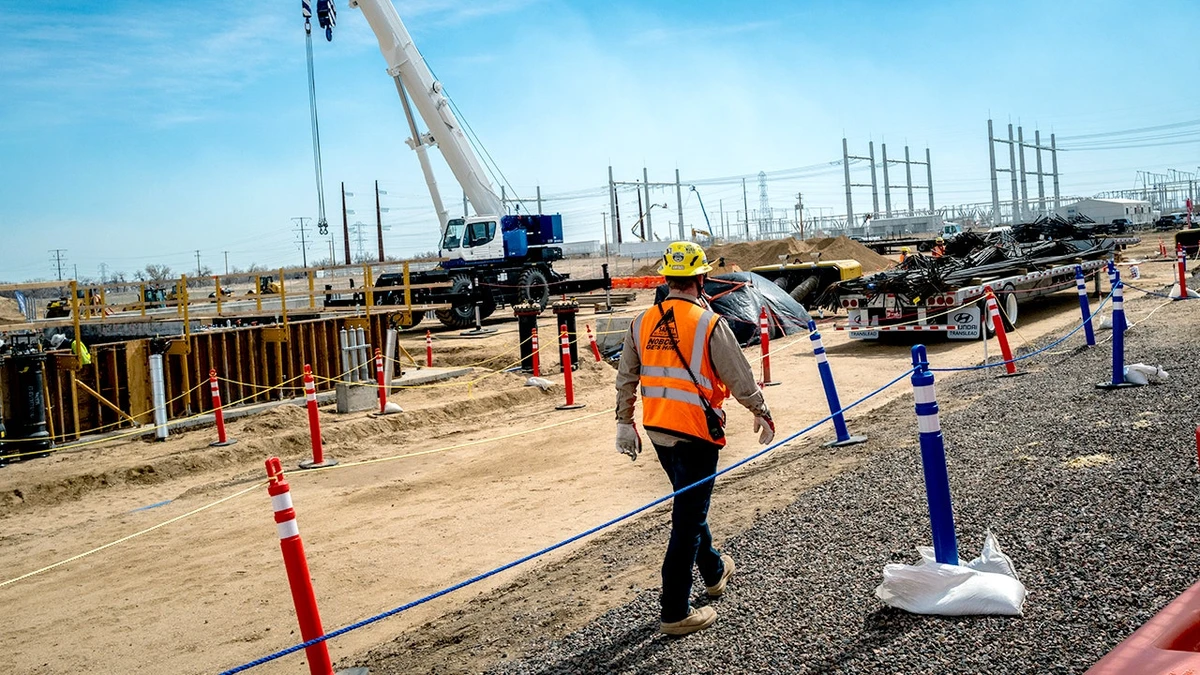
Beyond the immediate numbers, 2026 is a blunt lesson in how fragile the global oil system remains when so much of it flows through a handful of chokepoints. A single contested strait can move markets worldwide, which is precisely the vulnerability that has pushed many governments to talk more seriously about diversifying supply and accelerating alternatives. The long, uneven shift toward electric transport – which we examined in our look at the next phase of EV adoption – is partly a bet that reducing dependence on imported oil is as much about security as it is about emissions.

None of that helps in the short term. Energy transitions play out over decades, while a strait can close in days. But each crisis of this kind strengthens the argument, in importing nations, for supply that cannot be cut off by a distant conflict.

That is why 2026 is likely to accelerate conversations already under way: building more domestic and diversified supply, expanding strategic reserves, and shrinking the share of the economy exposed to a single fuel. Progress will be slow and expensive, and critics rightly note that none of it eases this year’s bills. But the political appetite for energy that cannot be weaponised tends to rise sharply after an episode like this one.

What to Watch Next

The single biggest variable is diplomatic: whether a durable ceasefire holds and Hormuz reopens on the timetable the IEA assumes. Beyond that, watch how major producers respond, whether strategic reserves are tapped to calm prices, and how winter heating demand lands on a market with little slack. A cooler-than-expected northern winter or a faster reopening would ease the pressure; a prolonged standoff would do the opposite. For now, the world is set to consume less oil in 2026 than in 2025 – not because it wanted to, but because for several months it had no choice.


About Post Author

Will Lisil

Director & Digital Creator at MW3.biz Ltd, United Kingdom.

See author's posts

Stay in the loop

Get our latest articles delivered to your inbox.

The First Midterm Convention Asked Members for $25,000
Article Featured News Politics

The First Midterm Convention Asked Members for $25,000

Will Lisil
11/09/2026
The Republican National Committee opened the American Airlines Center in Dallas on 9 September for something no American political party…

Read More..

Mariska Hargitay Won Two Emmys Before Hosting the Emmys
Article Celebrities Featured News

Mariska Hargitay Won Two Emmys Before Hosting the Emmys

Will Lisil
09/09/2026
Most Emmy hosts walk out on the night with nothing at stake. Mariska Hargitay walks out on Monday having already…

Read More..

A Diesel Price Record Just Landed on Your Grocery Bill

A Diesel Price Record Just Landed on Your Grocery Bill

Xi Jinping shakes hands with Abdel Fattah el-Sisi in front of the Chinese and Egyptian flags in Cairo

Xi Jinping’s Egypt Visit Rests on $10bn Already Invested

Five Vigorous Minutes Cut the Cancer Risk of Prolonged Sitting

Five Vigorous Minutes Cut the Cancer Risk of Prolonged Sitting

Two suited engineers work under harsh directional lighting during a NASA lunar surface lighting simulation for Artemis III

Black Mold Could Outlive Every Other Microbe at the Lunar South Pole

A Sticker Defeats the Only Privacy Light on Meta AI Glasses

A Sticker Defeats the Only Privacy Light on Meta AI Glasses

The Life We Dreamt of: Davion Gowie on Time, Money and Faith

The Life We Dreamt of: Davion Gowie on Time, Money and Faith

A Mexican navy sailor in an orange life vest hauls a rope toward two fishermen sitting inside a pale blue fishing cooler on open Pacific swells

Two Fishermen Rescued in a Cooler 150 Miles From Shore

School Phone Bans Cleared the Desks, Then AI Took the Homework

School Phone Bans Cleared the Desks, Then AI Took the Homework

The SCREEN Act Would Turn a VPN Into a Reason to Show ID

The SCREEN Act Would Turn a VPN Into a Reason to Show ID

Total Solar Eclipse Over Spain Lasts Just 108 Seconds

Total Solar Eclipse Over Spain Lasts Just 108 Seconds

The Creator Economy's Top 10% Take 62% of Brand Payments

The Creator Economy’s Top 10% Take 62% of Brand Payments

July Payrolls Fell 23,000 and Unemployment Dropped Anyway

July Payrolls Fell 23,000 and Unemployment Dropped Anyway

Load More

Post navigation

Previous AI Chip Startup Etched Takes On Nvidia at a $5 Billion Valuation
Next US Inflation Cooled Sharply in June as Energy Prices Fell Back

Related Stories

The First Midterm Convention Asked Members for $25,000 The First Midterm Convention Asked Members for $25,000
  • Article

The First Midterm Convention Asked Members for $25,000

11/09/2026
Mariska Hargitay Won Two Emmys Before Hosting the Emmys Mariska Hargitay Won Two Emmys Before Hosting the Emmys
  • Article

Mariska Hargitay Won Two Emmys Before Hosting the Emmys

09/09/2026
A Diesel Price Record Just Landed on Your Grocery Bill A Diesel Price Record Just Landed on Your Grocery Bill
  • Article

A Diesel Price Record Just Landed on Your Grocery Bill

07/09/2026

Recent Posts

  • The First Midterm Convention Asked Members for $25,000
  • Mariska Hargitay Won Two Emmys Before Hosting the Emmys
  • A Diesel Price Record Just Landed on Your Grocery Bill
  • Xi Jinping’s Egypt Visit Rests on $10bn Already Invested
  • Five Vigorous Minutes Cut the Cancer Risk of Prolonged Sitting

Categories

Connect with Us

  • Facebook
  • Instagram

You may have missed

The First Midterm Convention Asked Members for $25,000 The First Midterm Convention Asked Members for $25,000
  • Article

The First Midterm Convention Asked Members for $25,000

11/09/2026
Mariska Hargitay Won Two Emmys Before Hosting the Emmys Mariska Hargitay Won Two Emmys Before Hosting the Emmys
  • Article

Mariska Hargitay Won Two Emmys Before Hosting the Emmys

09/09/2026
A Diesel Price Record Just Landed on Your Grocery Bill A Diesel Price Record Just Landed on Your Grocery Bill
  • Article

A Diesel Price Record Just Landed on Your Grocery Bill

07/09/2026
Xi Jinping’s Egypt Visit Rests on $10bn Already Invested Xi Jinping shakes hands with Abdel Fattah el-Sisi in front of the Chinese and Egyptian flags in Cairo
  • Article

Xi Jinping’s Egypt Visit Rests on $10bn Already Invested

06/09/2026

Advertise it!

The MW3.News is an international network of information channels.

A variety of web news portals, digital magazines, and other media channels for information flow and marketing services.

Promote your work, services, brand and products with us.

Out of sight, out of mind!
Contact us

Recent Posts

  • The First Midterm Convention Asked Members for $25,000
  • Mariska Hargitay Won Two Emmys Before Hosting the Emmys
  • A Diesel Price Record Just Landed on Your Grocery Bill
  • Xi Jinping’s Egypt Visit Rests on $10bn Already Invested
  • Five Vigorous Minutes Cut the Cancer Risk of Prolonged Sitting
  • Home
  • Blog
  • Contact
  • Privacy Policy
  • Cookie Policy (UK)
  • Facebook
  • Instagram
Copyright © - MW3.news Portal - All rights reserved | DarkNews by AF themes.
MW3.News
Manage Consent
To provide the best experiences, we use technologies like cookies to store and/or access device information. Consenting to these technologies will allow us to process data such as browsing behavior or unique IDs on this site. Not consenting or withdrawing consent, may adversely affect certain features and functions.
Functional Always active
The technical storage or access is strictly necessary for the legitimate purpose of enabling the use of a specific service explicitly requested by the subscriber or user, or for the sole purpose of carrying out the transmission of a communication over an electronic communications network.
Preferences
The technical storage or access is necessary for the legitimate purpose of storing preferences that are not requested by the subscriber or user.
Statistics
The technical storage or access that is used exclusively for statistical purposes. The technical storage or access that is used exclusively for anonymous statistical purposes. Without a subpoena, voluntary compliance on the part of your Internet Service Provider, or additional records from a third party, information stored or retrieved for this purpose alone cannot usually be used to identify you.
Marketing
The technical storage or access is required to create user profiles to send advertising, or to track the user on a website or across several websites for similar marketing purposes.
  • Manage options
  • Manage services
  • Manage {vendor_count} vendors
  • Read more about these purposes
View preferences
  • {title}
  • {title}
  • {title}