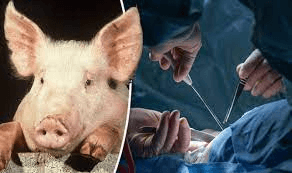
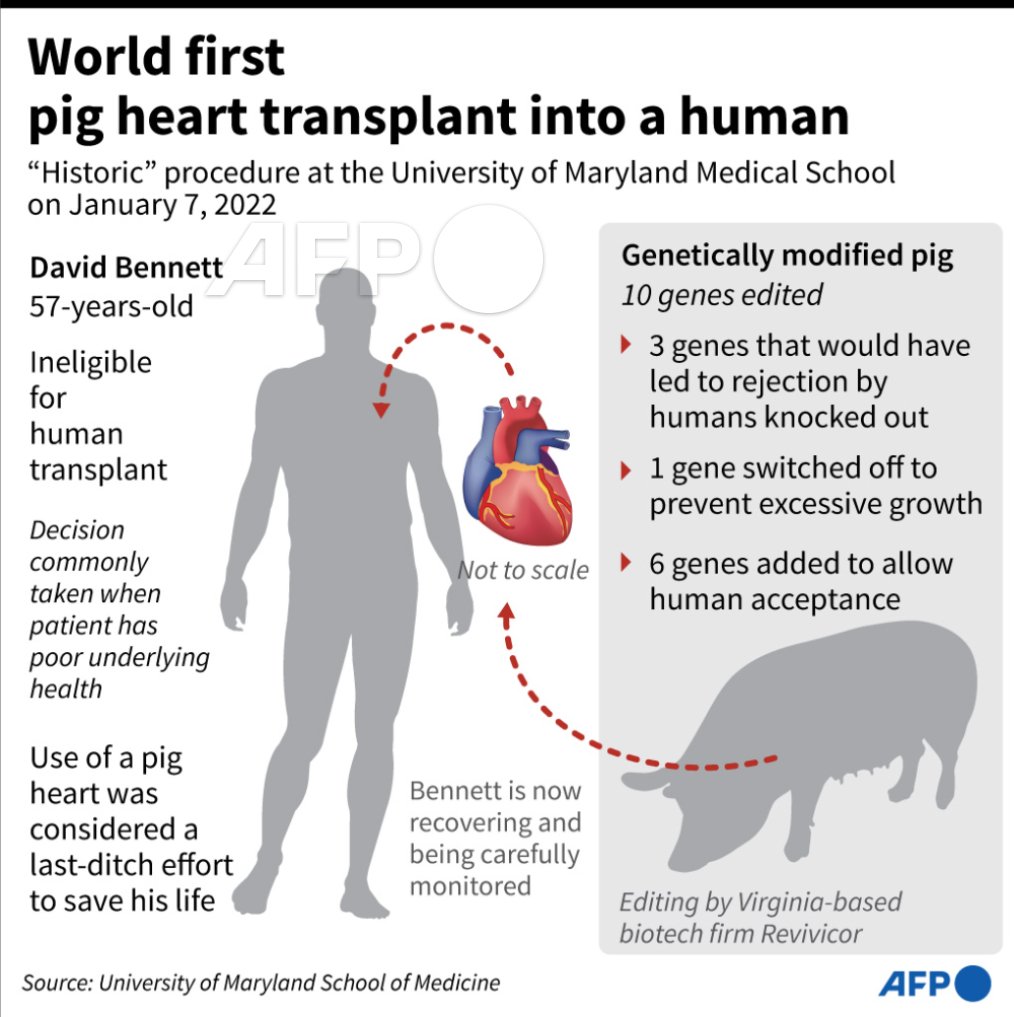
The unprecedented procedure was performed by the University of Maryland School of Medicine. The modified pig was donated by the regenerative medicine company Revicor.
The patient David Bennett, 57, is doing well, doctors say, three days after the experimental seven-hour procedure in Baltimore.
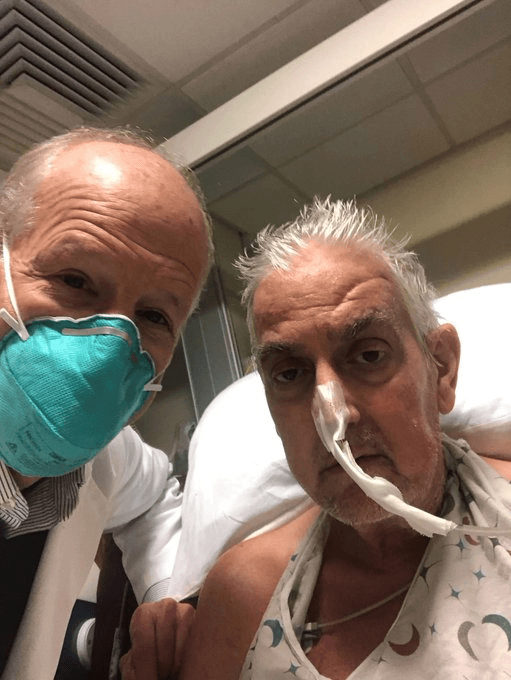
The transplant was considered the last hope of saving Bennett’s life, although his chances of survival in the clear term are not yet.
“It was either die or have this transplant,” explained Bennett the day before the surgery. “I know it’s a long shot, but it’s my last choice.”
- Royal Caribbean Passenger Spent 20 Hours at Sea Inside a Lifebuoy
- The Asian Pop Grammy Will Debut Without BTS or Stray Kids
- Age Checks Will Decide Whether the Under-16 Social Media Ban Works
- Iran Says It Disabled Starlink and Warns It Could Be a Military Target
- New Members Could Lose Their Vote Under the EU Enlargement Plan
Doctors at the University of Maryland Medical Center received a special license from the US regulatory physician to perform the procedure, based on the fact that Bennett would have died without it.
He was ruled ineligible for a human transplant – a decision that is often made when the patient is in very poor health.
For the medical team that performed the transplant, the unprecedented procedure is the culmination of years of research and could change lives around the world.
Surgeon Bartley Griffith said the surgery leaves the world “one close to resolving the organ resolution crisis,” according to a statement from the University of Mary School of Medicine.
Bennett hopes his transplant will allow him to continue living. He the weeks before the surgery and connected to a life after he was bedridden with terminal heart disease.
“I can’t wait to get out of bed after I recover,” he said last week.